Introduction
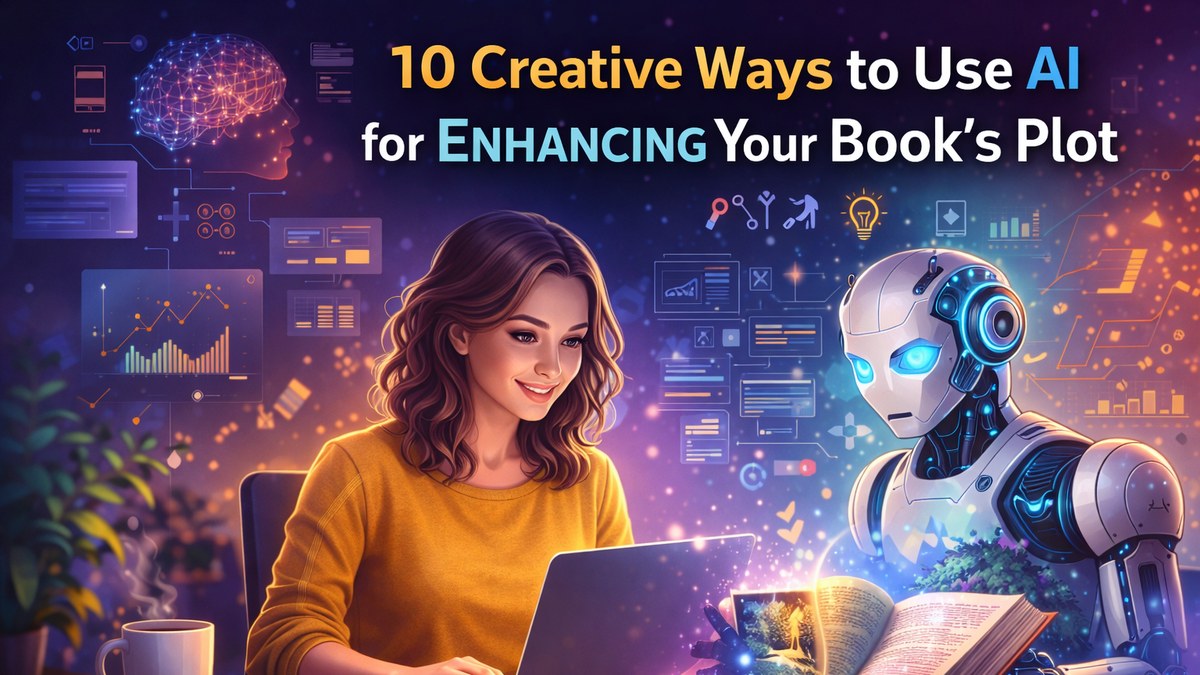
In the realm of writing, the plot serves as the backbone of any compelling narrative. Whether you’re crafting a thrilling mystery or a heartfelt romance, a well-developed plot can captivate your readers. With the advent of AI technology, authors now have unprecedented tools at their disposal to enhance their plot development. In this post, we’ll explore 10 creative ways to use AI to elevate your book’s plot, ensuring it is engaging, coherent, and memorable.
1. Brainstorming Plot Ideas
AI tools can assist you in generating fresh plot ideas when you hit a creative block. Applications like ChatGPT can offer unique premises based on specific themes or genres you provide. Input a few keywords or a basic storyline, and let the AI generate a variety of plot scenarios for you to explore.
2. Developing Subplots
Subplots are essential for adding depth to your main narrative. Use AI to brainstorm potential subplots that align with your main storyline. By analyzing character motivations and themes, AI can suggest subplots that enrich the overall narrative without overshadowing the primary plot.
3. Creating Character Arcs
AI can help you map out character arcs that seamlessly integrate into your plot. By inputting character traits and goals, AI tools can propose potential conflicts and growth trajectories, ensuring your characters evolve in a way that supports the larger narrative.
4. Outlining Your Story
AI can assist in structuring your outline by suggesting chapter breakdowns and key plot points. Tools like Plottr allow you to visually map out your story, and AI can provide insights into pacing and logical progression, making your outline more cohesive.
5. Analyzing Plot Coherence
Once you’ve drafted your plot, AI can analyze it for coherence and consistency. Tools such as ProWritingAid offer plot analysis features that help identify logical inconsistencies or pacing issues, allowing you to refine your narrative structure before diving deeper into writing.
6. Predicting Reader Reactions
AI can analyze reader feedback on similar plots and predict how your audience will react to certain plot twists or developments. By utilizing sentiment analysis tools, you can gauge potential emotional responses and adjust your plot to maximize engagement.
7. Enhancing Conflict and Tension
Conflict is vital for driving your plot forward. AI can suggest ways to amplify tension in key scenes by analyzing current conflicts and recommending additional stakes or obstacles for your characters to face, ensuring that your plot remains gripping throughout.
8. Generating Plot Twists
Surprising plot twists can make your story unforgettable. Use AI to generate unexpected twists by feeding it your current plot developments. The AI can analyze your narrative trajectory and propose twists that feel organic and enhance the overall story arc.
9. Evaluating Genre Conventions
If you’re writing within a specific genre, AI can help you identify common plot conventions and tropes. By analyzing successful stories in your chosen genre, AI can suggest ways to adhere to or cleverly subvert these conventions, making your plot stand out.
10. Collaborating with AI
Consider AI as a co-author during your writing process. Use AI tools to draft dialogue, brainstorm ideas, or even write scene descriptions that align with your plot. This collaborative approach can spark new ideas and enhance your narrative's richness.
Conclusion
Incorporating AI into your plot development process can open up a world of creative possibilities. From brainstorming ideas to analyzing coherence, AI serves as a valuable tool for writers seeking to enhance their storytelling. By leveraging these ten creative methods, you can elevate your plot, engage your readers, and ultimately create a more compelling narrative. Remember, the key is to use AI as a supportive tool while maintaining your unique voice and vision as an author.